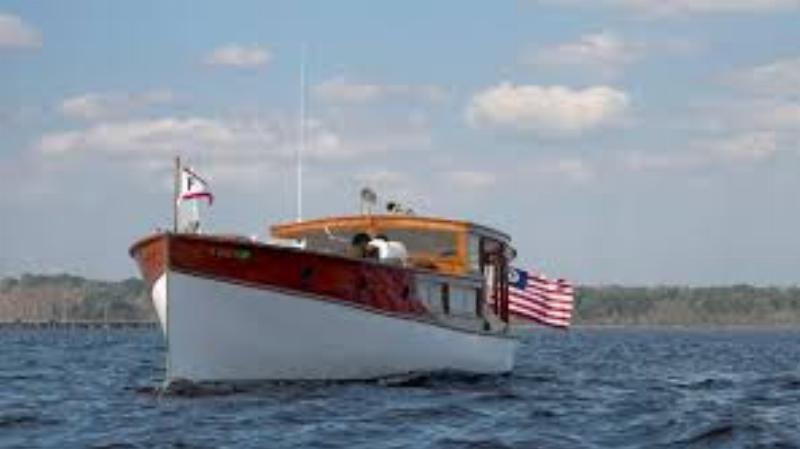
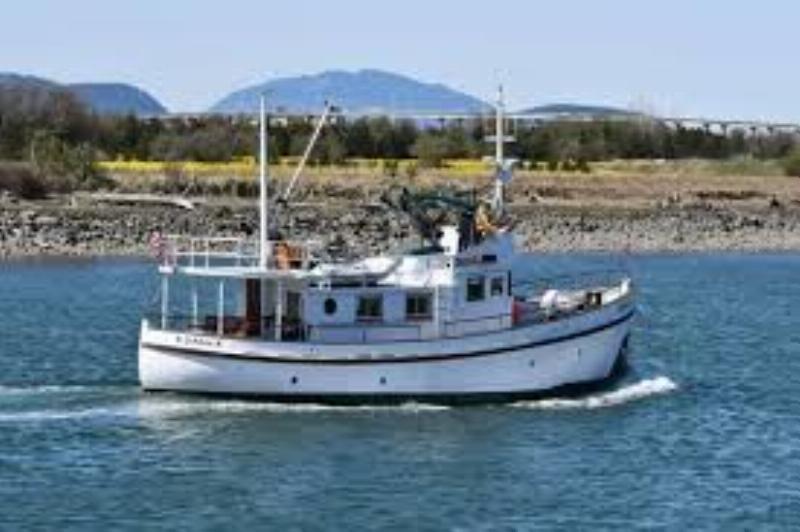
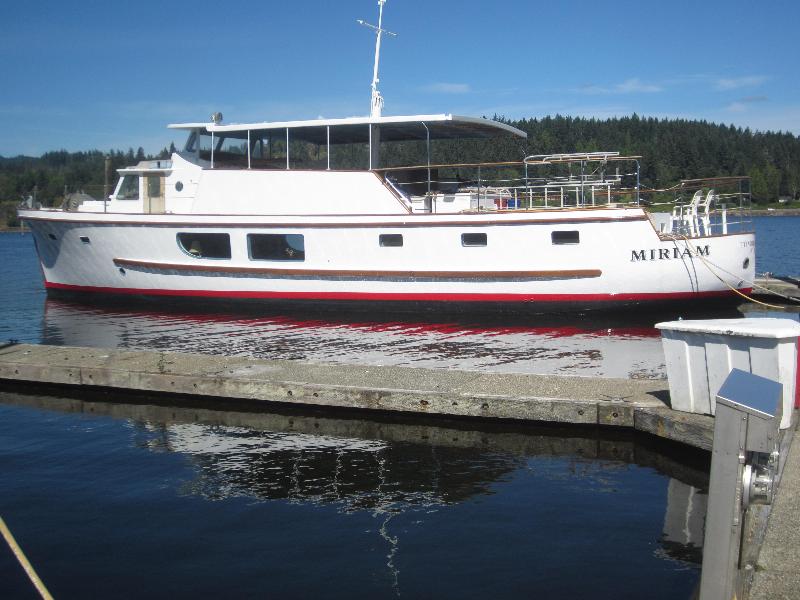
William Garden Boats
William Garden boats have a unique place in the world of recreational sailing. These vessels, designed by the renowned Canadian naval architect William Garden, are known for their classic lines and seaworthy designs. Garden's boats range from small sailboats to large motor yachts, with each model crafted to blend form and function seamlessly.
Garden's designs often feature traditional elements like full keels and canoe sterns, giving them a timeless appeal. Many of his boats are still sailing around the world today, a testament to their durability and enduring popularity. Whether you're looking for a cozy weekend cruiser or a sturdy offshore vessel, there's likely a William Garden design that fits the bill.
The market for William Garden boats remains active, with both new builds and older models available. Prices can vary widely depending on the size and condition of the vessel. Some popular models include the Garden 45 Yawl and the Garden 65, each offering its own unique features and capabilities.
Key Takeaways
- William Garden boats are known for classic designs and seaworthiness
- Models range from small sailboats to large motor yachts
- Garden's designs remain popular in the recreational boating market
William Garden Biography
William Garden was a renowned naval architect who left an indelible mark on the world of boat design. His innovative approaches and timeless designs continue to influence yacht builders and enthusiasts today.
Influence on Boat Design
William Garden was born in Calgary, Alberta in 1918. He moved to Seattle at a young age, where he developed a passion for boats and sailing. Garden's designs were known for their practicality and seaworthiness.
He created a wide range of vessels, from small sailboats to large motor yachts. His ability to blend form and function made his boats both beautiful and highly functional.
Garden's designs often featured:
• Traditional lines with modern improvements • Efficient use of interior space • Sturdy construction for offshore sailing
His work spanned six decades, during which he continually refined his craft and adapted to new technologies.
Legacy in Yachting
Thousands of boats designed by William Garden sail the world's oceans today. His influence extends far beyond the vessels he created directly.
Garden's designs inspired many other naval architects and builders. His books on yacht design serve as valuable resources for aspiring boat designers.
Key aspects of Garden's legacy include:
• Timeless aesthetic that continues to appeal to modern sailors • Emphasis on seaworthiness and practicality • Contributions to both sail and power boat design
Garden's work earned him recognition as a Member of the Order of Canada. He spent his later years in British Columbia, where he continued to refine his designs until his passing in 2011.
Types of William Garden Boats
William Garden designed a variety of boat types over his career. His designs range from small sailboats to large motor yachts. Garden's boats are known for their seaworthiness and classic styling.
Trawler Designs
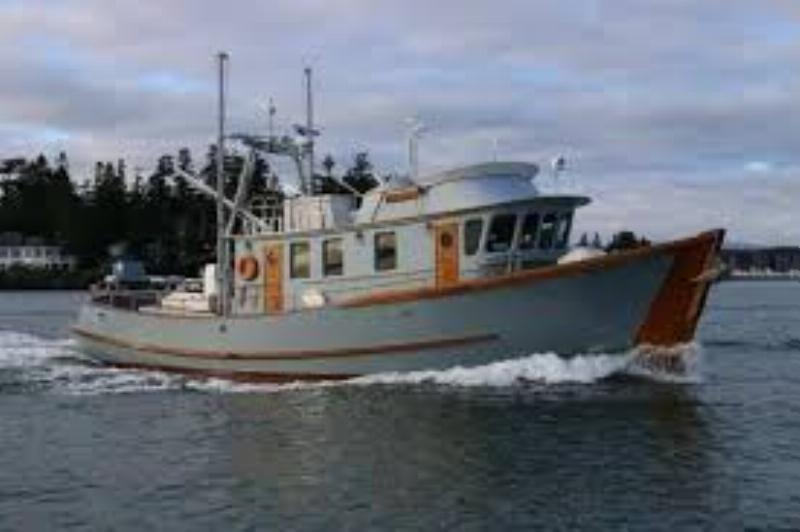
William Garden created many popular trawler designs. These boats are built for long-distance cruising and comfort at sea. Garden's trawlers often have a full displacement hull and a raised pilothouse.
The Garden 45 is a well-known trawler model. It has a sturdy build and can handle rough seas. Many Garden trawlers use wood construction, though some are made of steel or fiberglass.
Garden trawlers come in various sizes. Smaller models are around 36 feet, while larger ones can be over 60 feet long. Most have a single engine for efficient cruising.
Cruiser Models
Garden designed several cruiser models for comfortable coastal and offshore voyages. These boats blend elements of trawlers and motor yachts. They often have more speed than a trawler but maintain good fuel efficiency.
The Garden 65 Pilothouse is a prime example of his cruiser designs. It offers ample living space and a sheltered helm station. Garden cruisers typically have a semi-displacement hull form.
Many Garden cruisers feature classic styling with a canoe stern and a raised foredeck. They are known for their seakindly motion and ability to handle various conditions.
Sailboats
William Garden created numerous sailboat designs throughout his career. His sailing yachts range from small daysailers to large ocean-going vessels. Garden's sailboats are praised for their traditional aesthetics and sailing performance.
One notable design is the Seal 37 ketch. This boat combines classic looks with modern sailing abilities. Garden also designed larger sailboats like the Vagabond 47.
Many of Garden's sailboats feature full keels and heavy displacement. This gives them stability in rough seas. His designs often include a cutter or ketch rig for versatile sail plans.
Motor Yachts
Garden designed several motor yacht models for luxury cruising. These boats offer more space and amenities than his trawler or cruiser designs. Garden motor yachts blend classic styling with modern comforts.
His motor yacht designs range from 50 to over 100 feet in length. They often feature a raised pilothouse and spacious flybridge. Garden motor yachts typically have a semi-displacement or full displacement hull.
Many Garden motor yachts use wood construction, giving them a warm, traditional feel. They offer large living areas and multiple staterooms for extended cruising.
William Garden's Notable Models
William Garden designed several iconic sailboat models that gained popularity among boating enthusiasts. These vessels combine thoughtful design, seaworthiness, and comfort for extended voyages.
Garden 65 Details
The Garden 65 is a classic design that exemplifies William Garden's talent for creating spacious and capable cruising yachts. This 65-foot vessel offers ample living space for long-distance sailing.
Key features include:
- Sturdy wooden construction
- Pilothouse design for protection from the elements
- Roomy interior with multiple cabins
- Large fuel and water capacities for extended voyages
The Garden 65's design prioritizes stability and comfort at sea. Its long keel and full-bodied hull provide excellent tracking and a smooth ride in various conditions.
Seal 37 Ketch Information
The Seal 37 ketch is a compact yet capable cruising sailboat. This double-masted vessel offers versatility and ease of handling for short-handed crews.
Notable aspects of the Seal 37 ketch include:
- Ketch rig for flexible sail configurations
- Sturdy fiberglass construction
- Comfortable interior with standing headroom
- Well-balanced hull design for good performance
The boat's moderate displacement and full keel contribute to its seakindly nature. Garden's design allows for comfortable living aboard while maintaining good sailing characteristics.
Vagabond 47 Overview
The Vagabond 47 is a robust cruising yacht designed for long-distance ocean voyages. This model showcases Garden's expertise in creating seaworthy and comfortable vessels.
Key features of the Vagabond 47:
- Full-keeled hull for stability and tracking
- Cutter rig for versatile sail options
- Spacious interior with multiple cabins
- Large water and fuel tanks for extended cruising
The Vagabond 47's design emphasizes safety and comfort at sea. Its heavy displacement and traditional lines contribute to a smooth motion in rough conditions.
This model gained popularity among bluewater cruisers for its ability to handle challenging ocean conditions while providing a comfortable home afloat.
Design Features
William Garden boats feature distinctive design elements that blend functionality with aesthetics. His designs prioritize seaworthiness, comfort, and efficient performance across various boat sizes and types.
Hull Specifications
Garden's hull designs vary based on the boat's intended use. Many of his sailboats feature full-keel hulls, providing stability and tracking ability. For power boats, he often used semi-displacement or full-displacement hulls.
Garden's monohull designs are known for their seakindly motion and ability to handle rough conditions. He paid close attention to the hull's shape, ensuring good performance both under sail and power.
The hull forms often incorporate a moderate deadrise, which helps with stability and reduces rolling in waves. Garden's attention to detail in hull design contributes to the boats' reputation for comfort at sea.
Power and Sail Options
Garden designed boats for both power and sail propulsion. His sail designs range from small cruisers to large schooners, each optimized for its intended use.
For powerboats, Garden often specified diesel propulsion systems. These engines were chosen for their reliability and fuel efficiency, important factors for long-range cruising vessels.
Inboard drive power options are common in Garden's designs. This configuration improves handling and protects the propeller from damage.
Garden's sail plans are typically well-balanced, allowing for easy handling by small crews. He often incorporated cutter or ketch rigs, which offer versatility in various wind conditions.
Beam and Draft
The beam and draft of Garden's designs vary depending on the boat's size and purpose. Generally, his designs feature moderate beam-to-length ratios, balancing stability with speed.
Beam measurements in Garden's designs typically provide ample interior space without sacrificing performance. This approach results in comfortable living areas and good stability.
Draft specifications in Garden's sailboats often lean towards the deeper end, enhancing upwind performance and stability. However, he also created designs with shallower drafts for cruising in areas with depth restrictions.
For powerboats, Garden often used moderate drafts to balance seakeeping ability with access to shallower waters. This versatility is a hallmark of his design philosophy.
Pilothouse Design
Garden's pilothouse designs are notable for their practicality and comfort. The pilothouse typically provides excellent visibility and protection from the elements.
Many of Garden's designs feature raised pilothouses, offering a commanding view of the surroundings. This layout is particularly useful for long-range cruising and fishing vessels.
The pilothouse often includes comfortable seating, navigation stations, and easy access to deck areas. Garden paid close attention to ergonomics, ensuring that controls and instruments are within easy reach.
In sailboat designs, Garden sometimes incorporated a pilothouse to provide shelter while still allowing for outdoor helming in good weather. This versatility is a key feature of his approach to boat design.
Vessel Dimensions and Performance
William Garden boats come in various sizes and configurations. They offer a range of options for different sailing needs and preferences.
Size Range
William Garden designs span from small sailboats to large motor yachts. The Porpoise design measures 42.33 feet in length overall. This mid-size vessel suits both amateur and professional sailors.
Larger Garden boats reach impressive dimensions. The Oceanus design stretches to 60 feet overall with a 48-foot waterline. It has a 12-foot beam and 6-foot 8-inch draft.
Some motor yachts by Garden are even bigger. A 65-foot wooden boat exemplifies his larger designs. These vessels offer ample space for extended cruising.
Distance and Comfort
Garden boats excel in long-distance sailing. The Oceanus design aims for speed and ease of handling by two people. This balance allows for comfortable extended voyages.
Many Garden boats feature spacious interiors. Their designs prioritize livability for extended time at sea. Wide beams contribute to stability and interior volume.
Garden's schooners, like the Ellen C Wells, combine traditional rigging with modern systems. This blend enhances both sailing performance and onboard comfort for long journeys.
Market Information
William Garden boats have a unique position in the yacht market. Their price points, availability, and sales channels vary. These factors impact buyers looking for both new and pre-owned vessels.
Price and Value
William Garden boats range from affordable to high-end. Entry-level models start around $21,971. Luxury versions can cost up to $295,000. Prices depend on size, age, and features.
Older Garden boats often hold their value well. This is due to their classic designs and sturdy construction. Newer models may depreciate faster, but offer modern amenities.
Buyers should consider long-term value. Garden boats are known for durability. This can mean lower maintenance costs over time.
Newly Built and Pre-Owned Market
The market for newly built William Garden boats is limited. Most available vessels are pre-owned. This affects pricing and availability.
Pre-owned Garden boats are more common. They can be found worldwide. Prices vary based on condition and location.
Buyers interested in new builds may face long wait times. Custom orders can take months or years to complete. This can impact overall cost and delivery timelines.
Buying from Dealers versus Brokers
Dealers and brokers both play roles in William Garden boat sales. Each offers different advantages to buyers.
Dealers may have direct connections to builders. This can be helpful for custom orders or specific models. They often provide warranties on newer boats.
Yacht brokers typically have wider selections of pre-owned Garden boats. They can search multiple markets to find specific models. Brokers may offer better deals on older vessels.
Buyers should compare options from both dealers and brokers. This ensures the best price and selection for their needs.
Geographical Presence
William Garden boats have a strong presence across North America and have also gained international recognition. These vessels are known for their quality craftsmanship and seaworthiness in various waters.
North American Market
William Garden boats are popular in North America, particularly in Canada and the United States. Many of these boats can be found sailing the waters of British Columbia, where Garden spent much of his later career.
Thousands of Garden-designed boats sail around the world today. In the U.S., Seattle was a key location for Garden's early work. He designed many boats there before moving back to Canada.
The North American market offers a wide range of William Garden models. These include:
- Garden 65
- Pilothouse
- Seal 37 ketch
Prices for William Garden boats in North America vary from $21,971 to $295,000, depending on the model and condition.
International Reach
While William Garden boats are most common in North America, they have gained a following in other parts of the world. Sailors appreciate their sturdy design and classic aesthetics in various international waters.
Some William Garden boats can be found in places like New Caledonia, showcasing their ability to handle long-distance voyages. The international market for these boats includes both new and used vessels.
Brokers and dealers worldwide offer William Garden boats. Models available internationally span from 1956 to 1986, providing options for different preferences and budgets.
Historical Models and Production
William Garden designed many iconic boat models over his long career. His designs spanned decades and left a lasting impact on the boating world.
Yearly Innovations
Garden's boat designs evolved each year, reflecting changing tastes and technologies. In the 1950s, he created sleek sailboats with classic lines. The 1956 models marked a shift towards more modern hull shapes.
Garden's work in the 1960s focused on larger cruising yachts. He introduced innovations in keel designs and cabin layouts. By the 1970s, his boats featured improved sailing performance and interior comfort.
In later years, Garden embraced power boats too. He designed efficient trawlers and luxurious motor yachts. Each new design built on lessons from previous models.
Classic Collections
Garden's most beloved designs form distinct collections. His sailboat series include coastal cruisers, bluewater voyagers, and racing yachts. Many antique and classic Garden boats still sail today.
The "Reef" series features sturdy offshore sailboats. Garden's "Aft Cabin" motor yachts offer spacious living areas. His "Trawler" designs combine efficiency with comfort for long-range cruising.
Collectors prize Garden's early sailboat designs from the 1940s and 1950s. His later power yacht models from the 1980s and 1990s also attract enthusiasts. These classic collections showcase Garden's skill in creating timeless, seaworthy vessels.
Financial Considerations
William Garden boats have unique pricing factors and financial aspects to consider. Buyers should be aware of sales prices, currency conversions, and interactions with financial institutions when pursuing these vessels.
Sales Price and Currency
William Garden boats are priced across a wide range. Models can be found from $21,971 to $295,000. This large spread reflects the variety in size, age, and condition of available vessels.
Prices are often listed in US dollars. For international buyers, currency conversion is important. Exchange rates can impact the final cost significantly.
Some popular William Garden models include:
- Garden 65
- Pilothouse
- Seal 37 ketch
These models may command different price points based on their features and market demand.
Financial Accuracy and Institutions
When dealing with William Garden boats, financial accuracy is crucial. Buyers should double-check all pricing information and currency conversions.
Financial institutions play a key role in boat purchases. Many buyers seek loans or financing options. Banks and marine lenders may have specific requirements for William Garden boats.
It's wise to get pre-approved for financing before shopping. This helps set a realistic budget and streamlines the buying process.
Some lenders specialize in classic or antique boats. These may be good options for older William Garden models.
Frequently Asked Questions
William Garden's boat designs are renowned for their unique features and timeless appeal. Prospective buyers and enthusiasts often have questions about Garden's work, boat availability, valuation, and ownership considerations.
What are the signature features of William Garden's boat designs?
William Garden's designs are known for their traditional and romantic aesthetics. His boats often feature double-ended hulls, graceful sheerlines, and practical layouts. Garden emphasized seaworthiness and functionality in his designs, creating vessels that perform well under both sail and power.
Where can one find listings for used William Garden boats?
Used William Garden boats can be found on yacht broker websites, marine classifieds, and specialized forums. Some boat shows may also feature Garden-designed vessels. Yacht clubs and marinas in areas where Garden worked, like the Pacific Northwest, may have leads on available boats.
How does one determine the value of a vintage Garden yacht?
Valuing a vintage Garden yacht involves considering factors like the boat's condition, rarity, and historical significance. Comparable sales of similar models can provide a baseline. Professional marine surveyors can offer accurate assessments. The boat's provenance and any documentation of Garden's involvement can impact its value.
What is the history and impact of William Garden in yacht design?
William Garden was a prolific designer with a career spanning seven decades. He created thousands of boat designs, ranging from small sailboats to large motor yachts. Garden's work influenced yacht design trends, particularly in the Pacific Northwest. His designs are respected for their seaworthiness and timeless appeal.
What considerations should be taken into account when purchasing a Garden-designed boat?
When buying a Garden-designed boat, consider its age, condition, and maintenance history. Assess the boat's suitability for your intended use, whether coastal cruising or bluewater sailing. Evaluate the availability of parts and expertise for maintenance and repairs. Research the specific model's reputation and any known issues.
Are there any owners' associations or communities specific to William Garden yachts?
While there may not be a formal William Garden owners' association, enthusiasts gather on online forums to discuss his designs. Some yacht clubs and wooden boat societies celebrate Garden's work. Owners of specific Garden models may form informal groups to share information and resources related to their boats.
William Garden Boats for Sale
 Trawlers