
Tartan 34C
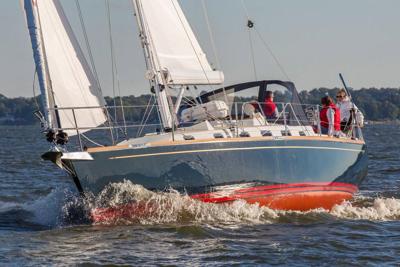
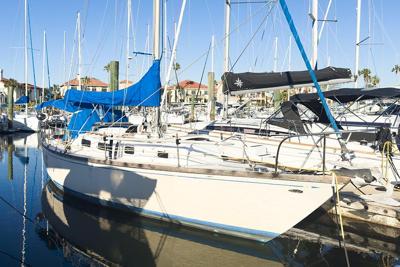
The Tartan 34C is a classic sailboat that has captured the hearts of sailors since its introduction in 1968. Designed by the renowned Sparkman & Stephens firm, this vessel is known for its solid construction and excellent performance. Sailors appreciate its balance of comfort and seaworthiness, making it a popular choice for both cruising and racing.
A standout feature of the Tartan 34C is its versatile design. It offers a spacious interior layout with options like a pilot berth or extra cabinet storage, adding a layer of personalization. Powered by a reliable sail plan, it performs well in various wind conditions, ensuring smooth sailing whether close to shore or out in open waters.
The Tartan 34C also holds significant value in the used boat market. Its timeless design and durable build have allowed it to maintain a strong presence over the years. For those seeking a dependable and storied sailboat, the Tartan 34C remains a top contender, combining historical charm with practical sailing capabilities.
Key Takeaways
- The Tartan 34C is a classic sailboat designed by Sparkman & Stephens.
- It offers a versatile and spacious interior layout.
- This sailboat is valued for its balance of comfort and performance.
Historical Context
The Tartan 34C was a significant boat in the world of American sailing. Designed by Olin Stephens and produced by Tartan Marine Company, it played a key role in the development of offshore cruising yachts.
Development by Olin Stephens
Olin Stephens, a renowned yacht designer, was the creative mind behind the Tartan 34C. He worked at the prestigious design firm Sparkman & Stephens (S&S). The design came about as S&S Design Number 1904 and was first built in 1968. Stephens aimed to create a yacht that balanced performance and comfort. The result was a vessel that excelled both in racing and cruising. The Tartan 34C's design features such as its moderate displacement and fin keel, set a new benchmark in sailboat design of that era.
Tartan Marine Company History
The Tartan 34C was built by Tartan Yachts, initially known as Douglass & McLeod Plastics. The company started producing the Tartan 34C in 1968 and continued until 1978. During this period, they built 525 units. The company's commitment to quality and innovation helped make the Tartan 34C a popular choice among sailors. Tartan Yachts later introduced other models, but the classic 34C remained a highlight. In 1984, when a new version of the Tartan 34 was launched, it was necessary to distinguish the original as the Tartan 34C.
Impact on Offshore Cruising
The Tartan 34C had a significant impact on offshore cruising. Its robust design and seaworthiness made it a favorite for long-distance sailors. The boat was capable of handling various sea conditions, making it suitable for both coastal and offshore adventures. It became a preferred choice among cruisers who sought reliability and comfort. Additionally, the boat's affordable cost in the 1970s opened up sailing opportunities to a broader audience. The Tartan 34C's legacy continues, as many of these classic vessels are still in use today, cherished by their owners for their timeless design and dependable performance.
Design and Specifications
The Tartan 34C is a classic sailboat known for its robust build and excellent sailing performance. Designed by Sparkman & Stephens, this boat stands out with various technical details that attract sailing enthusiasts.
Hull Specifications
The Tartan 34C features a fiberglass hull with a Length Overall (LOA) of 34.42 feet and a Length Waterline (LWL) of 25.08 feet. The boat has a Beam of 10.25 feet, providing stability and ample space inside. The Draft is 5.92 feet, offering good depth for coastal cruising.
The Displacement of the boat is approximately 11,200 pounds, with a Ballast of 4,600 pounds made of lead. This combination ensures a steady and safe performance even in rough waters. The hull shape and keel design contribute significantly to its seaworthiness and ease of handling.
Mast and Rigging
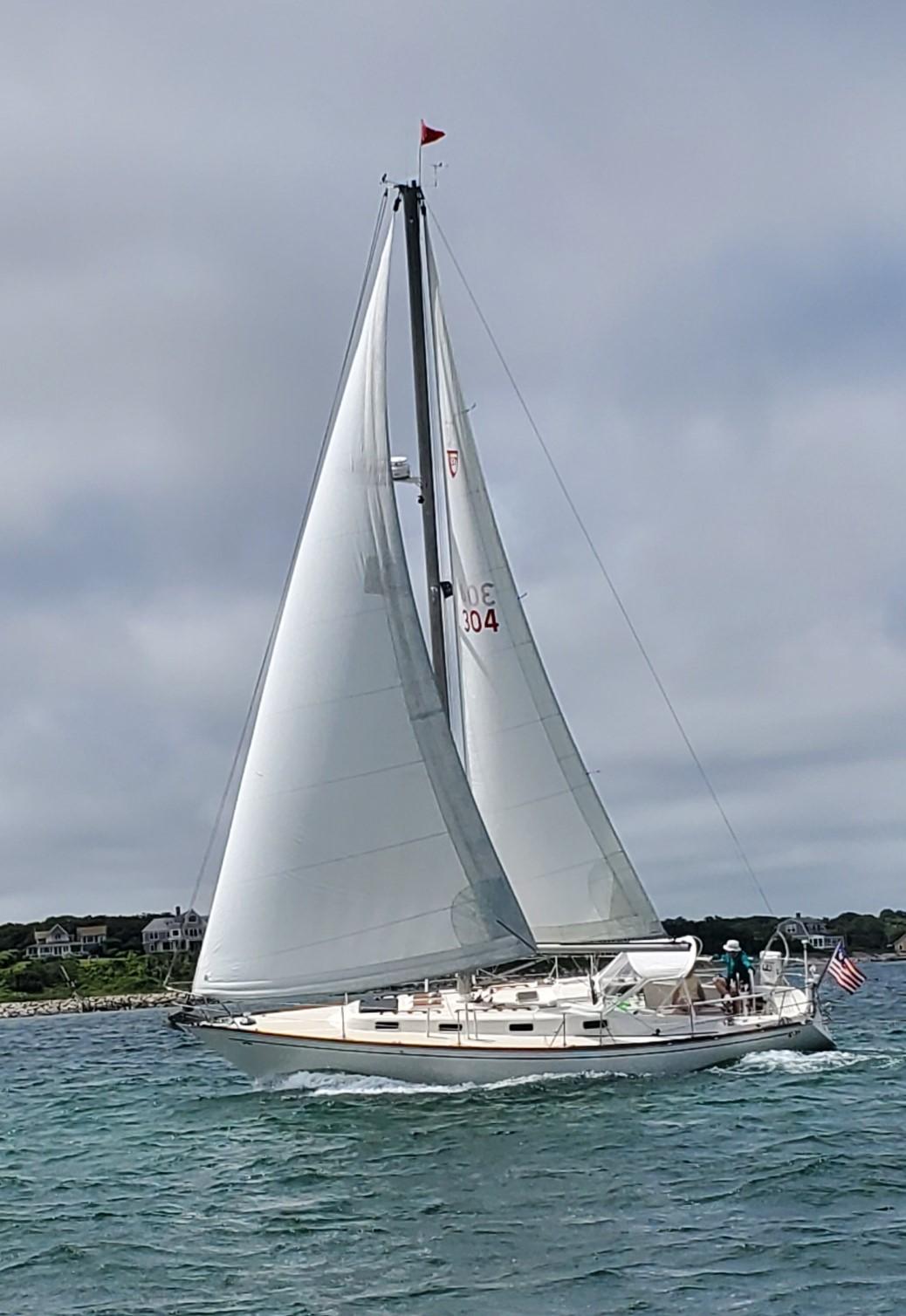
The Tartan 34C is a masthead sloop, which means the forestay extends to the top of the mast. The mast is tall, made of sturdy aluminum, and offers a good mix of strength and flexibility.
The rigging is simple yet effective, designed to handle various wind conditions efficiently. Standing rigging includes stainless steel stays and shrouds. Running rigging consists of durable lines and halyards that are user-friendly, making the boat easier to sail even for a short-handed crew.
Sail Plan
The primary Sail Area for the Tartan 34C is approximately 540 square feet, giving it a good balance of power and control. It is equipped with a mainsail and a headsail. Both sails are designed to maximize performance while being easy to handle.
The masthead sloop configuration allows for a variety of sail combinations, making it versatile in different wind conditions. The sail plan ensures that the boat can achieve good speed without compromising safety or stability.
Interior Layout and Accommodations
Inside, the Tartan 34C offers a comfortable and practical layout. The main cabin features a dinette area that can be converted into additional sleeping space. The galley is functional, with a stove, sink, and storage options.
There is a dedicated nav station where the crew can plan routes and check navigation equipment. The boat typically includes a V-berth at the bow and additional berths in the main cabin. There is an option to substitute a pilot berth for additional cabinet storage on the port side, though this option is rarely selected.
The interior design emphasizes usability and comfort, making the Tartan 34C a good choice for both short trips and longer voyages.
Performance
The Tartan 34C is well-regarded for its mix of classic design and practical performance. Designed by renowned naval architect Olin Stephens, the boat continues to impress sailors with its balance, speed, and handling under various conditions.
Sailing Performance Metrics
The Tartan 34C has a Sail Area to Displacement ratio (SA/D) of approximately 17. This indicates that the boat has enough sail area to handle light-to-moderate winds effectively, providing good speed and agility.
Its Displacement to Length ratio (D/L) is about 329. Boats with a D/L under 325 are generally considered fast and easy to handle, making the Tartan 34C suitable for both racing and cruising.
Its Performance Handicap Racing Fleet (PHRF) rating varies but typically falls around 174. This suggests competitive performance in club racing scenarios.
Capsize Screening Formula
The Capsize Screening Formula (CSF) of the Tartan 34C is around 1.85. This is calculated as Beam divided by (Displacement/64)^0.333.
A CSF under 2.0 indicates good stability and resistance to capsizing in rough sea conditions. This makes the Tartan 34C a secure choice for offshore sailing.
Hull Speed Calculations
The theoretical Hull Speed for the Tartan 34C is close to 7.2 knots. Hull Speed is calculated using the formula 1.34 × (LWL)^0.5, where LWL is the Length at Waterline, which is about 24 feet for this boat.
This speed is respectable for a boat of its size and ensures effective cruising performance, balancing speed and comfort.
Racing Capabilities
The Tartan 34C is not just a comfortable cruiser but also shows promise in competitive racing. With its Performance Handicap Racing Fleet (PHRF) rating of around 174, it competes well in club races.
The boat's International Offshore Rule (IOR) rating also positions it favorably in racing circles, making it suitable for various regattas.
The design’s agility and responsive performance are key strengths, making it appealing for sailors looking for both racing and cruising capabilities.
Onboard Systems
The Tartan 34C is equipped with various systems that ensure smooth sailing and handle different onboard needs. These systems include the engine and fuel system, electrical and navigation electronics, and plumbing and water capacity.
Engine and Fuel System
The Tartan 34C often comes with a Universal Atomic 4 gasoline engine. This engine typically provides around 30 HP, offering enough power for both cruising and tight maneuvers in marinas.
The fuel system includes a gasoline tank that typically holds about 20 gallons. This capacity is sufficient for short to medium distances without frequent refueling. Regular maintenance of the engine and fuel system is crucial to prevent breakdowns and ensure safety.
Electrical and Navigation Electronics
The electrical system in the Tartan 34C supports both DC and AC power. The boat usually comes equipped with deep-cycle marine batteries that power onboard electronics and lighting.
Navigation electronics are essential for safe sailing and often include a chartplotter, GPS, VHF radio, and depth sounder. Modern upgrades can include radar and AIS systems, which increase safety during long journeys.
Plumbing and Water Capacity
The plumbing system on the Tartan 34C includes a freshwater tank with a typical capacity of around 40 gallons. This is sufficient for several days of sailing with a small crew.
The system also includes a marine head (toilet) and a manual or electric pump. Proper maintenance of the plumbing system, including regular checks for leaks and clogs, is important to avoid problems during voyages.
Living Aboard
The Tartan 34C offers a practical and comfortable living space for those interested in life on the water. It provides ample accommodation, a well-equipped galley, and clever storage solutions to maximize space.
Accommodation Details
The Tartan 34C is designed with a V-berth in the forward cabin, providing a comfortable sleeping area for two people. The main salon features settees on both sides that can double as sleeping areas, making it suitable for additional crew or guests.
A dinette table in the salon can be folded away when not in use, allowing for more movement space. The pilot berth located above one of the settees adds extra sleeping quarters, useful for a small crew or additional storage.
Headroom in the cabin is about 6'2", making it reasonably comfortable for most people to move about without crouching. The onboard head (bathroom) is compact but functional, featuring a marine toilet and a small sink.
Galley Features
The galley of the Tartan 34C is compact yet well-thought-out for cooking and meal preparation. It includes a stove with two burners, which is suitable for preparing a variety of meals. A deep sink is installed to handle washing up easily, with freshwater supply available from onboard tanks.
Cabinet storage in the galley is sufficient for storing pantry items, cookware, and utensils. There's enough counter space to prepare food, although it might require efficient organization. The design ensures that everything is within easy reach for convenience.
Refrigeration or an icebox is included, allowing food supplies to be kept fresh for longer periods, which is particularly useful during extended trips.
Storage Solutions
Storage is a key concern on any boat, and the Tartan 34C addresses it with a variety of innovative solutions. Beneath the settees in the main salon, there is ample storage space for gear, supplies, and personal items. These compartments are easily accessible and make good use of the available space.
There are cabinet storage options throughout the boat, including in the galley and head, providing organized spaces for essentials. Additionally, the V-berth area offers storage lockers, which are perfect for keeping bedding and clothes.
There are also shelves and cubbyholes around the interior, ensuring that every inch of space is utilized efficiently. This makes it easier to stow away items neatly, keeping the living space uncluttered and functional.
Operating the Tartan 34C
The Tartan 34C is a versatile sailing vessel known for its reliable performance. This section covers key operating techniques and essential maintenance tasks to ensure smooth sailing and overall safety.
Handling Techniques
The Tartan 34C comes in two main rig configurations: Sloop Rig and Yawl Rig. The Sloop Rig is simpler and often preferred for its ease of handling, especially in competitive sailing. In contrast, the Yawl Rig provides more sail options and can help balance the boat better under different wind conditions.
The Tiller offers direct steering control, making the boat responsive. The Rudder design helps maintain better course stability. Using the Traveler on the Cockpit, sailors can adjust the mainsail's position, enhancing sail trim and boat speed.
To minimize Weather Helm, it's important to balance the sails properly. This can be achieved by reefing the mainsail or adjusting the jib. Efficient use of the Rigging, like ensuring tension is evenly distributed, can also improve the handling and performance of the Tartan 34C.
Maintenance Best Practices
Regular maintenance is crucial for an older model like the Tartan 34C. Start with the Rigging. Inspect all lines for wear and replace any frayed or damaged sections to avoid failures while at sea. The Rudder should be checked for smooth operation and signs of wear or corrosion.
The Cockpit area must be kept clean and free of debris. Inspect the Tiller for cracks or wear. Lubricate moving parts to ensure smooth operation. The Traveler system also requires regular checks to ensure that it runs freely and isn’t obstructed.
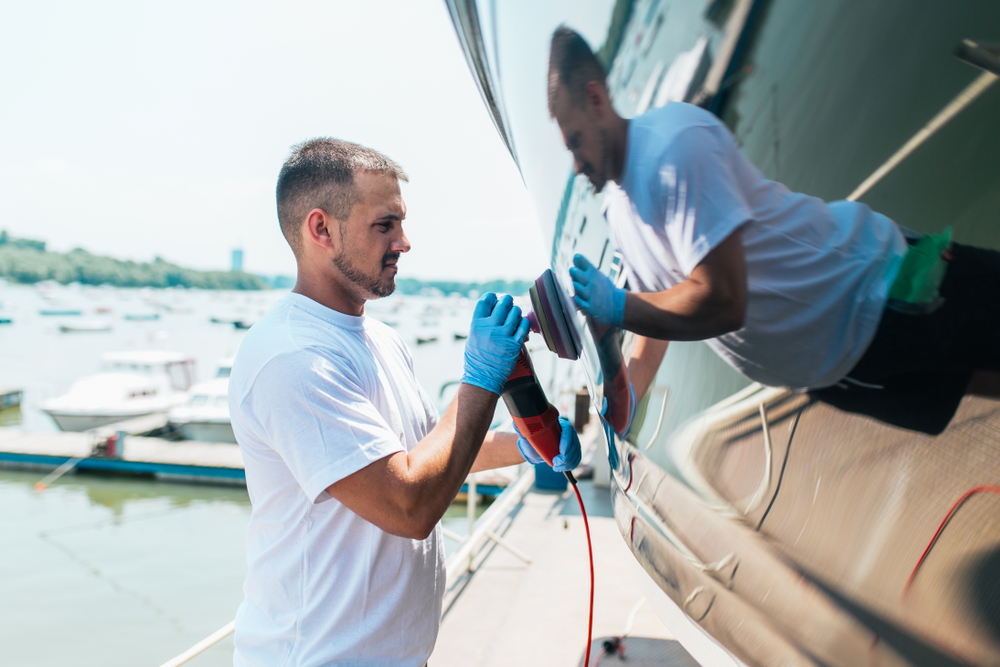
Maintaining the hull, including periodic cleaning and anti-fouling paint application, keeps the boat's speed and efficiency optimal. Checking all through-hulls and seals in the cockpit area prevents leaks, ensuring a watertight seal.
By following these handling techniques and maintenance best practices, the Tartan 34C can offer reliable and enjoyable sailing experiences.
Ownership Experience
Owning a Tartan 34C can be a rewarding experience. This section will cover key aspects such as purchasing this classic sailboat and the community surrounding it.
Buying a Tartan 34C
When buying a Tartan 34C, potential owners should conduct a thorough inspection. One common issue is the foredeck, which may need re-coring. This is crucial for maintaining the boat’s structural integrity. Inspect the centerboard mechanism as well, as it plays a vital role in offshore cruising.
Comparing the Tartan 34C to other models like the Tartan 34-2, Hunter, and Catalina can help buyers decide if it meets their needs. The Tartan 34C is known for its solid build quality, making it a reliable choice for ocean crossings. New buyers should seek a boat with updated rigging and a well-maintained engine to ensure smooth sailing experiences.
Community and Support
The Tartan 34C boasts a strong community of owners and enthusiasts. Online forums and groups are invaluable for support. Websites like the Cruisers & Sailing Forums and SailNet Community offer extensive user discussions and advice. Owners often share tips on maintenance, upgrades, and cruising experiences.
Networking with fellow Tartan 34C owners can provide insights that aren't available in manuals, especially for those planning long voyages. Seasonal meet-ups and local sailing clubs also offer opportunities to connect with other owners. The shared knowledge within the community makes ownership more enjoyable and manageable, providing both practical advice and moral support.
Frequently Asked Questions
The Tartan 34C is a well-regarded classic yacht known for its solid construction, performance, and value. Here are some answers to frequent questions about this iconic sailboat.
What are the specifications of a Tartan 34C yacht?
The Tartan 34C was designed by Sparkman & Stephens. It has a length overall (LOA) of 34 feet, a beam of 10 feet, and a draft of 4.0 feet with the centerboard up and 8.0 feet with it down. It typically features a masthead sloop rig.
How does the Tartan 34C perform as a bluewater cruising sailboat?
The Tartan 34C is known for its seaworthiness and stability, making it suitable for bluewater cruising. Its robust construction and deep draft offer good performance in various sea conditions. Owners appreciate its balance between speed and comfort.
What are common market prices for a pre-owned Tartan 34C?
The price of a pre-owned Tartan 34C can vary based on its condition, age, and equipment. Typically, prices range from $20,000 to $50,000. Boats in excellent condition with modern upgrades may command higher prices.
What are the distinguishing features between the Tartan 33 and 34 models?
The Tartan 34C and 33 differ in several ways. The 34C has a centerboard and a classic design while the Tartan 33 usually features a fin keel. The interior layout and hull shape of the 34C reflect its older design philosophy compared to the more modern Tartan 33.
Is the Tartan Yachts company still manufacturing new boats?
Tartan Yachts continues to manufacture new boats. Although the Tartan 34C is no longer in production, Tartan builds new models that reflect its tradition of quality and performance. Their current lineup includes modern designs with advanced materials and construction techniques.
How would one assess the performance of the Tartan 34C through its PHRF rating?
The Tartan 34C typically has a PHRF rating of around 168, indicating moderate performance relative to other sailboats. This rating reflects its balance between speed and ease of handling, making it a competitive option for club racing and cruising activities.
Tartan 34C Boats for Sale
 Sloop
Sloop
Listing Coming Soon
 Sloop
Sloop
Listing Coming Soon
 Cruiser
Listing Coming Soon
 Racer/Cruisers